
 English
 Russian
 French
 Spanish
 Portuguese
 Italian
 Arabic
 German

Hot News
-
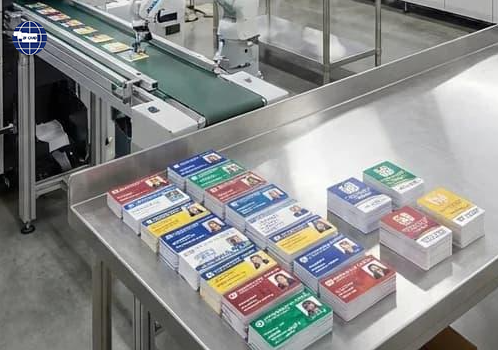 China RFID Card Manufacturer | OEM ODM Custom NFC Smart Cards | ZF Card Nov 26,2026
-
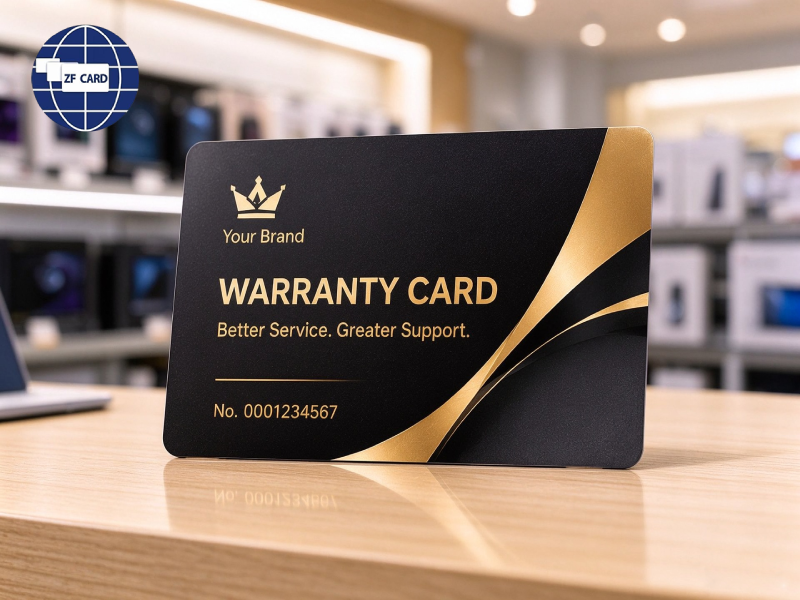 China Warranty Card Manufacturer: Custom Designs, Printing and Wholesale Supply Nov 24,2026
-
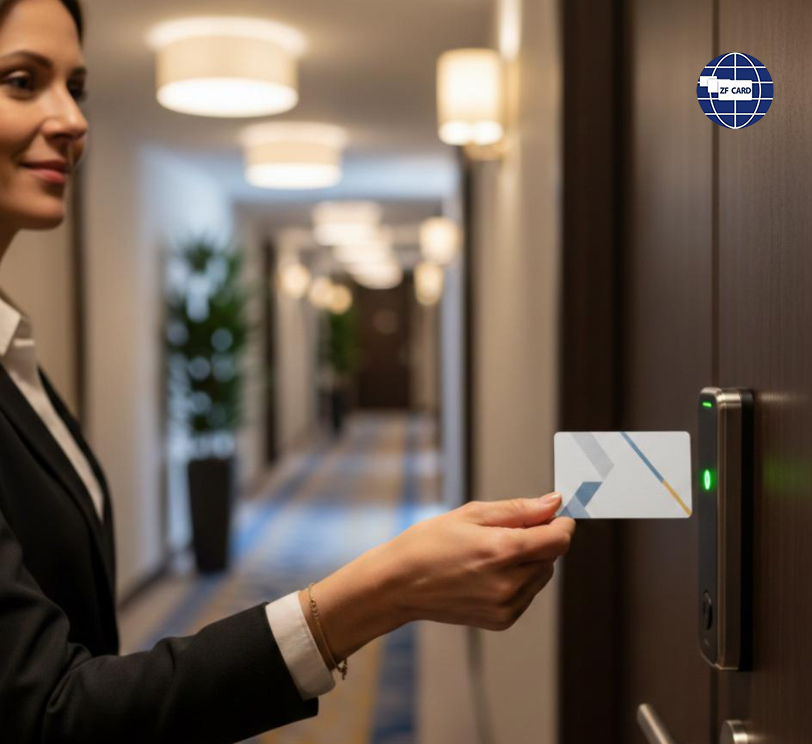 The Design Brief a Card Factory Can Actually Quote From Nov 24,2026
-
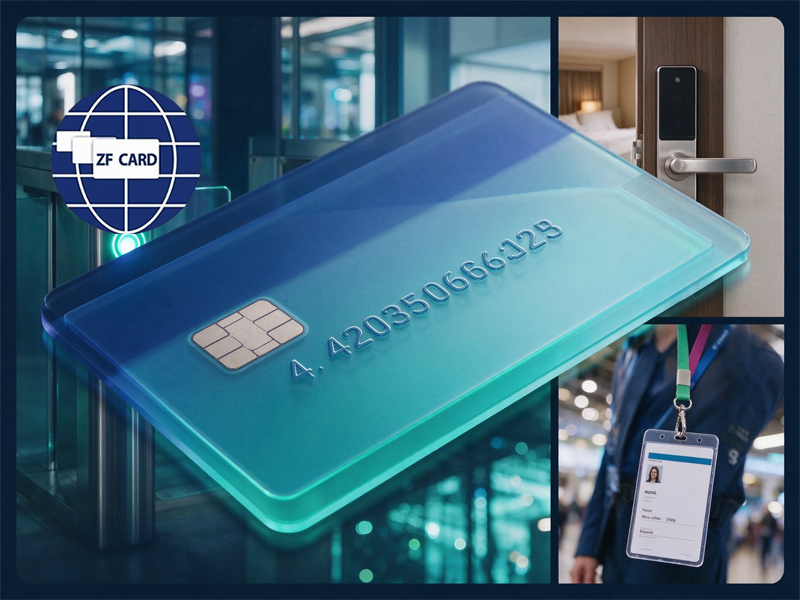 When Does a Polycarbonate Card Pay for Itself? Cost per Year of Issue Nov 23,2026




China RFID Card Manufacturer | OEM ODM Custom NFC Smart Cards | ZF Card
China remains one of the world's main supply bases for RFID and NFC smart cards, with factories handling chip mounting, lamination, printing, encoding, and packaging for access control, membership, loyalty, ticketing, and asset tracking. When a buyer searches for a China RFID card manufacturer, the real question is who can match the chip to the reader, control quality through the whole line, and deliver a repeatable product on schedule. This guide explains what an RFID card factory does, the OEM and ODM options, and the checks that separate a reliable source from a reseller that cannot control production.
OEM and ODM are the two common cooperation models. OEM means the buyer supplies the design, specification, chip choice, and artwork, and the factory manufactures to that brief; the factory controls production but follows the buyer's design. ODM means the factory offers existing card templates or standard products, and the buyer chooses from them and customises the artwork, chip, or data fields. Buyers with a fixed system and artwork usually need OEM, while those starting a new project often begin with ODM. A flexible factory handles both, and the choice affects price, tooling, and the engineering support required.
A card factory's core line covers several linked steps. The inlay or prelam sheet carries the die and antenna, bonded and tested before lamination. The body is built from layered PVC, PET, or polycarbonate sheets, pressed under heat and cut to CR80 or another size. Printing applies the artwork through offset, silk-screen, or digital methods, with optional foil stamping, embossing, signature panels, barcodes, or QR codes. Encoding writes the chip data, keys, and serial rules, and finished cards pass read or write tests before packing. In-house control lets the manufacturer adjust the inlay or process when a problem appears.

Chip and frequency selection is the most compatibility-critical decision. Low-frequency 125 kHz cards, often using EM4100 or TK4100-style dies, serve simple proximity access. High-frequency 13.56 MHz cards follow ISO 14443A and include MIFARE Classic 1K and 4K, NTAG chips for NFC and tagging, and DESFire chips for higher-security encrypted systems. The reader model, firmware, and existing system decide which family works, so the card must be matched to the reader rather than chosen by appearance or price. A manufacturer should confirm the reader before locking the chip, and flag any original-silicon or anti-cloning requirement.
Body materials and finishes shape durability and cost. PVC is the standard low-cost body for general access and membership cards. PET is lighter and more flexible, while polycarbonate offers stronger heat and wear resistance for long-life credentials. Standard cards are 0.76 millimetres thick, with thinner or thicker options for special uses. Finish can be matte or glossy, and foil, embossing, or a signature panel add process steps that should be listed in the brief. The material should suit the card's environment and service life, not just the sample look.
Encoding and personalisation decide what data the card carries. The factory can pre-write a UID rule, encode member or serial numbers, inventory records, or access groups from a CSV or database mapping, apply sector keys, and lock blocks where write protection is required. Each encoded card should be read back after writing to confirm the data matches the source file. If the buyer's own bureau or reader station writes data later, cards can be supplied blank, with die and antenna tested but no personalisation applied. The brief should state who encodes, the data format, field order, and keys.
Quality control runs at several points along the line. Incoming dies and inlays are checked before lamination, process inspection covers bonding, printing, and cutting, and finished cards are read or written tested before packing. Read testing confirms the chip responds to the reader; write testing confirms encoded data holds correctly. Lot samples are retained for traceability, so a later batch can be compared with an approved sample. A clear defect standard, re-run policy, and acceptable defect level should be agreed in the order sheet rather than left to conversation.
Certification and compliance matter for export markets. ISO standards cover card body dimensions and contactless protocol, while buyers in many regions require RoHS and REACH documentation, and some projects ask for CE marking. Government, banking, or certified access deployments may set a higher approval level the card must meet. Compliance documents and test reports take time to prepare, so naming them in the initial brief avoids a delay discovered after production starts. A reputable manufacturer keeps these records ready and states which markets its products have served, without overstating certificates the line does not hold.
MOQ, sampling, and lead time set the order rhythm. Low minimum order quantities suit pilots, short campaigns, and trials, while bulk repeat orders move onto standard production slots. A sample round tests the artwork, chip compatibility, read distance, and finish on the buyer's own reader before the full volume is committed. Repeat orders should reuse the recorded inlay, artwork, data file, and approved sample so the product stays consistent. The exact MOQ and lead time depend on chip availability, card size, printing, and encoding, so confirm them in the quote rather than a catalogue figure.
Buyers should separate a real manufacturer from a trading reseller early in sourcing. A genuine China RFID card manufacturer controls die bonding, antenna attachment, lamination, printing, and encoding in-house, can name the exact die and process, and shows production testing and lot traceability. A reseller may hold a wider catalogue but buys cards from one or more factories and cannot always adjust the inlay, answer a compatibility question directly, or control the defect rate. Check whether the supplier can describe its own line, provide factory details, and produce samples on the same equipment used for bulk.
Communication and engineering support often determine whether a project runs smoothly. A factory that asks for the reader model, firmware, key layout, artwork, and quantity before quoting is gathering the facts needed for an accurate offer. English-speaking account managers should explain chip options, confirm compatibility, and coordinate samples without repeated translation delays. For a new system, the supplier should test a sample against the buyer's reader or lock type before production, and keep the approved sample and data files on record for repeats. Suppliers who quote a price without technical questions usually carry more risk later.
Common sourcing problems are predictable and mostly avoided by early checks. A chip that does not match the reader shows up as failed reads after delivery; an artwork file that is not print-ready causes rework; a missing compliance requirement delays export; and an unclear encoding format produces blank or mis-written cards. Price differences between compatible and original dies, or between body materials, should be explained by the trade-off in security, durability, and compatibility. Agreeing chip, material, data format, compliance, defect standard, and sample baseline in the brief prevents bulk-order problems.
A practical sourcing order keeps function ahead of appearance. Confirm the application, reader model, and chip family first, then the body material, size, finish, and artwork, followed by encoding, quantity, compliance, and packaging. State which requirements are mandatory or optional, and attach reader manuals, key layouts, or existing samples. If the chip or design is not final, start with a sample round rather than a bulk order. Working through these points in order lets a supplier quote an accurate price tier, a firm lead time, and a realistic MOQ in one pass.
This is the manufacturer profile ZF Card (Zhanfeng) has built over twenty years as a China RFID card manufacturer and original smart card producer. We supply OEM and ODM custom NFC and RFID cards, stickers, fobs, and inlays to buyers in more than a hundred countries, covering access control, membership, loyalty, ticketing, and asset tracking. Our in-house line handles die bonding, antenna attachment, lamination, offset and silk-screen printing, foil and embossing work, secure encoding, and 100% read and write testing under one roof, and every offer names the exact die, body material, and process rather than a generic card description.
As an experienced China RFID card manufacturer, we hold ISO 9001 and ISO 14001 certification and keep RoHS, REACH, and CE documentation ready for export projects. English-speaking engineers confirm your reader model, firmware, and key layout before quoting, then arrange matched samples to test against your own reader or lock type before production. Each encoded unit is checked after assembly, lot samples are retained for traceability, and defect and re-run terms are written into the order sheet. Common Classic, NTAG, DESFire, and low-frequency dies are held in stock, and artwork, data files, and approved samples are kept on record for repeat orders, including low-MOQ first runs.
The safest way to start a card project is to test a sample on your own reader before the batch. ZF Card ships free RFID and NFC card samples to integrators, brands, and distributors worldwide — you cover the courier, and we send cards matched to your reader, chip preference, and artwork.
Whether you engage us as a China RFID card manufacturer for OEM production or an ODM partner, tell us your application, reader model and firmware, chip or protocol preference, body material and finish, required encoding or compliance docs, and projected annual volume and target date, and we will reply within one business day with a compatibility note, a firm lead time, and a factory-direct quote.
-
 Design your card for free
Get Free Design
-
 Free Sample Cards
Get Free Sample
-
 24 hours online service
Contact Us
-
Office Phone
+86 189-3398-5004
-
E-mail
mailto:mary@zfcards.com
-
Office Phone


