
 English
 Russian
 French
 Spanish
 Portuguese
 Italian
 Arabic
 German

Hot News
-
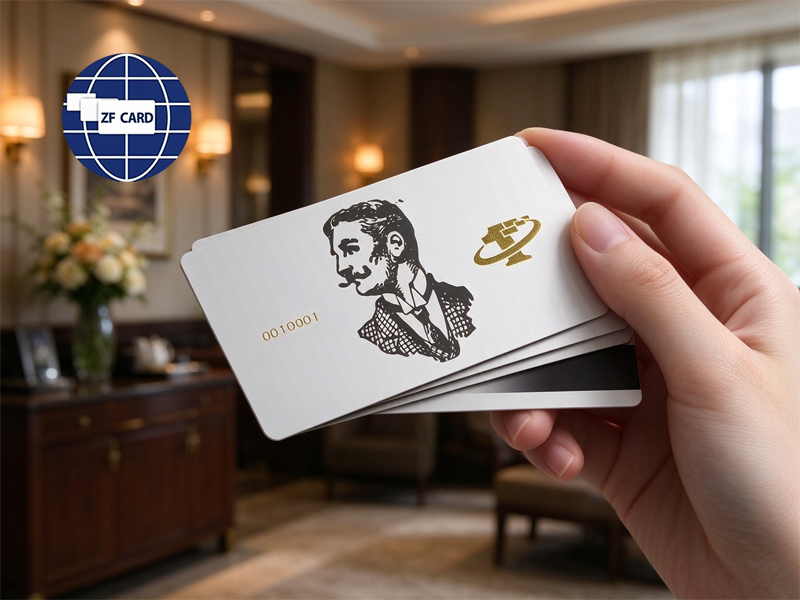 How Much Do Custom RFID Hotel Key Cards Cost from Manufacturers Nov 04,2026
-
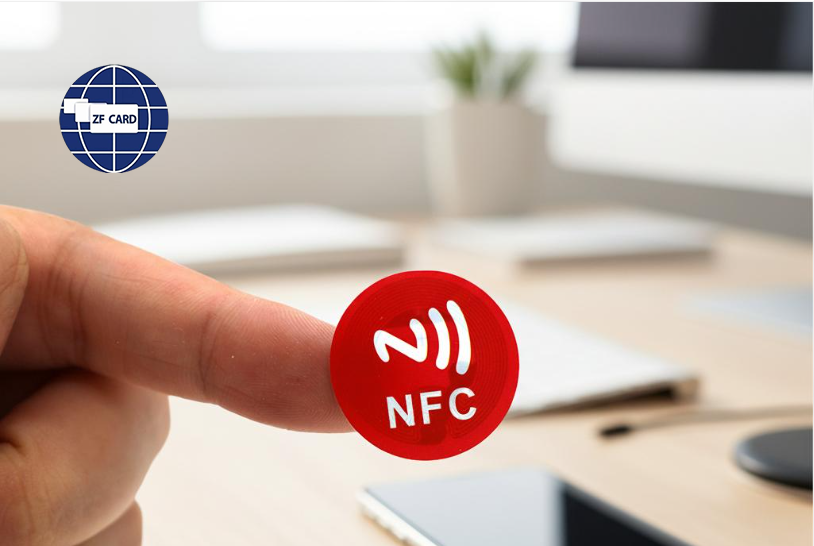 How to Find Reliable NFC Tag Sticker Suppliers for Bulk Custom Orders Nov 03,2026
-
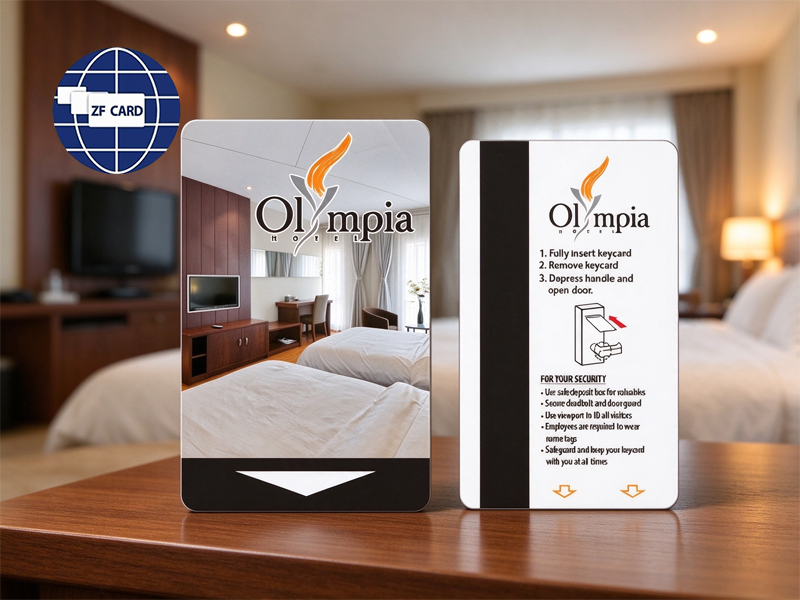 What to Know Before Ordering Custom Wood RFID Cards for Access Control Oct 29,2026
-
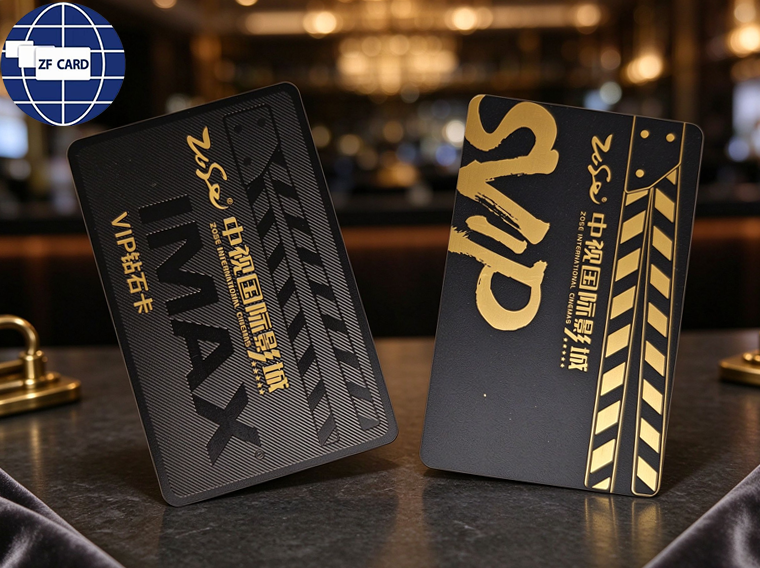 How to Source Customized Product Warranty Cards from China Manufacturers Oct 28,2026




How Much Do Custom RFID Hotel Key Cards Cost from Manufacturers
How much do custom RFID hotel key cards cost?" is the first question every hotel procurement manager asks, and the honest answer is that there is no single number. A budget blank from a marketplace trader and a fully printed, chip-encoded, brand-matched card from an original factory can differ by a factor of five or more, even though both look the same on a product photo. The price is built layer by layer from substrate, chip, printing, encoding, packaging, and freight. Understanding those layers is what lets you compare quotes fairly and avoid the trap of picking the cheapest unit price and discovering hidden costs after the PO.

The base layer is the card body. Standard CR80 PVC cards are the cheapest substrate. PETG is a small step up in cost but buys better durability and a more premium feel. Eco-friendly bamboo, wood, or recycled-PVC cards cost more again and suit boutique or sustainability-branded properties. The card body itself is usually the smallest part of the price, but it sets the floor for what the rest of the process can achieve.
The chip is the single biggest price variable. EM4100 125 kHz proximity chips are the cheapest option and suit older legacy locks. MIFARE Classic 1K is the mainstream choice for modern hotel locks — VingCard, Onity, Assa Abloy, Salto — and lands in the middle of the price range. MIFARE DESFire EV3 and NTAG 213/215 chips cost more and are used for higher-security or NFC-mobile-key projects. A quote that does not name the chip model is a quote you cannot compare, because two cards with identical artwork can differ dramatically in chip cost.
Quantity is the next big lever. Like any printed product, hotel key cards follow steep volume tiers. A 500-card pilot run carries a per-piece cost that reflects plate setup, proofing, and short-run press time. A 10,000-card annual order drops the per-piece cost substantially. A 100,000-card chain-wide rollout brings it down further still. Ask the supplier for tiered pricing at your realistic annual volume rather than a single quote, because the cheapest per-piece number only exists at the quantity you may never order.
Printing depth changes the price more than most buyers expect. Single-color spot printing is cheap. Four-color process printing is the standard for branded artwork. Adding a brand Pantone, hot foil stamping in gold or silver, embossing or debossing, spot UV, or edge painting each adds a small per-piece amount that accumulates across a run. The premium look that guests notice on a key card is usually three or four of these finishing steps layered together, and each one is worth pricing out separately so you can choose which ones matter.
Variable data and encoding add their own line items. Consecutive card numbering, laser-engraved serial numbers, barcodes, magnetic stripes, and signature panels are all standard post-processing steps but each carries a small cost. Pre-encoding the cards to your lock system — setting transport keys, sector keys, and room-number mappings — adds an encoding station fee but saves your engineering team hours of on-site programming. Ask whether the supplier delivers the encoded CSV so your PMS can import the card numbers cleanly.
Packaging and freight are the costs that surprise new buyers. Individual OPP-bagged cards are cheap. Plain shrink-wrapped boxes are cheaper. Custom card sleeves, key envelopes, branded lanyards, and display boxes each add a line. Freight itself ranges from small air shipments via DHL or UPS for urgent reorders to sea freight for full pallets, and DDP door delivery hides the tariff and brokerage cost into one landed number. Ask for all three on the quote so you can compare total landed cost, not ex-factory price.
The hidden cost of the cheapest card is the one that matters most. A card that reads weakly on one reader, a logo that scratches off in a week, or a batch that arrives with duplicated UIDs creates front-desk complaints, re-issued cards, and staff time that dwarf the per-piece saving. A defect rate above 1%, a supplier that does not re-run bad batches, or a factory that cannot tell you which chip is inside the card will cost you far more over a year of operation than paying ten cents more per card up front. Cheapest on the quote is rarely cheapest in season.
Buying from an original manufacturer in China is where the price advantage comes from. A European or North American reseller buys cards from a Chinese factory and adds margin, stocking, and local overhead. Buying directly from the factory removes those layers, which is why hotel groups and lock-system integrators around the world run their annual card programs through Chinese converters. The trade-off is communication and shipping, but a factory that speaks English, proofs artwork quickly, and ships DDP removes both.
When you compare quotes, build a spreadsheet with five columns: chip model and quantity, substrate and print finish, encoding and variable data, packaging, and freight. Reject any quote that bundles these into one number without breakdown. A supplier who will not show the line items is hiding something, and a supplier who will is showing you exactly where your money goes. That transparency is itself a quality signal.
This is the pricing model ZF Card (Zhanfeng) has used for twenty years as a China-based original smart-card manufacturer. We produce custom RFID hotel key cards for hotel groups, lock-system integrators, and distributors in more than a hundred countries, with EM4100, MIFARE Classic 1K, DESFire EV3, and NTAG 21x chips in stock, and full printing, encoding, and packing lines under one roof. Our quotes always break out chip, substrate, print finish, encoding, packaging, and freight separately, so you can see exactly where the price lands. We hold ISO 9001 and ISO 14001 certification, run 100% read-and-encode testing before packing, and commit to a below-0.3% defect rate in writing.
Because we buy chips in volume directly from authorized channels and run every production stage in-house, our per-piece cost stays competitive at the volumes hotel chains actually order, and our lead time stays predictable through peak season. English-speaking account engineers walk you through chip choice, print finish, and encoding setup before the quote, so you are not paying for features your lock system does not need. We also test each card on your actual lock reader before mass production, which removes the single biggest cause of post-launch surprise.
The fastest way to see real pricing is to ask for a quote on your own spec. ZF Card ships free custom RFID hotel key card sample packs to hotel groups, lock-system integrators, and distributors worldwide — you cover the courier, and we send printed and encoded cards matched to your artwork, your chip, and your lock reader. Tell us your lock model, your chip preference, your artwork, and your projected annual volume, and we will reply within one business day with a transparent line-item quote, a firm lead time, and a sample in the mail. Stop comparing quotes that hide the chip and the freight — request your free hotel key card sample today and see the print, the read, and the finish that twenty years of specialized card manufacturing actually delivers.
-
 Design your card for free
Get Free Design
-
 Free Sample Cards
Get Free Sample
-
 24 hours online service
Contact Us
-
Office Phone
+86 189-3398-5004
-
E-mail
mailto:mary@zfcards.com
-
Office Phone


